Fall checklist and spring wake-up
How to store a car for winter in Canada
Most of this takes an afternoon. The steps below come from CAA North & East Ontario, CAA-Québec and Canadian Tire Roadside. Where they differ, we say so.
Start with the place
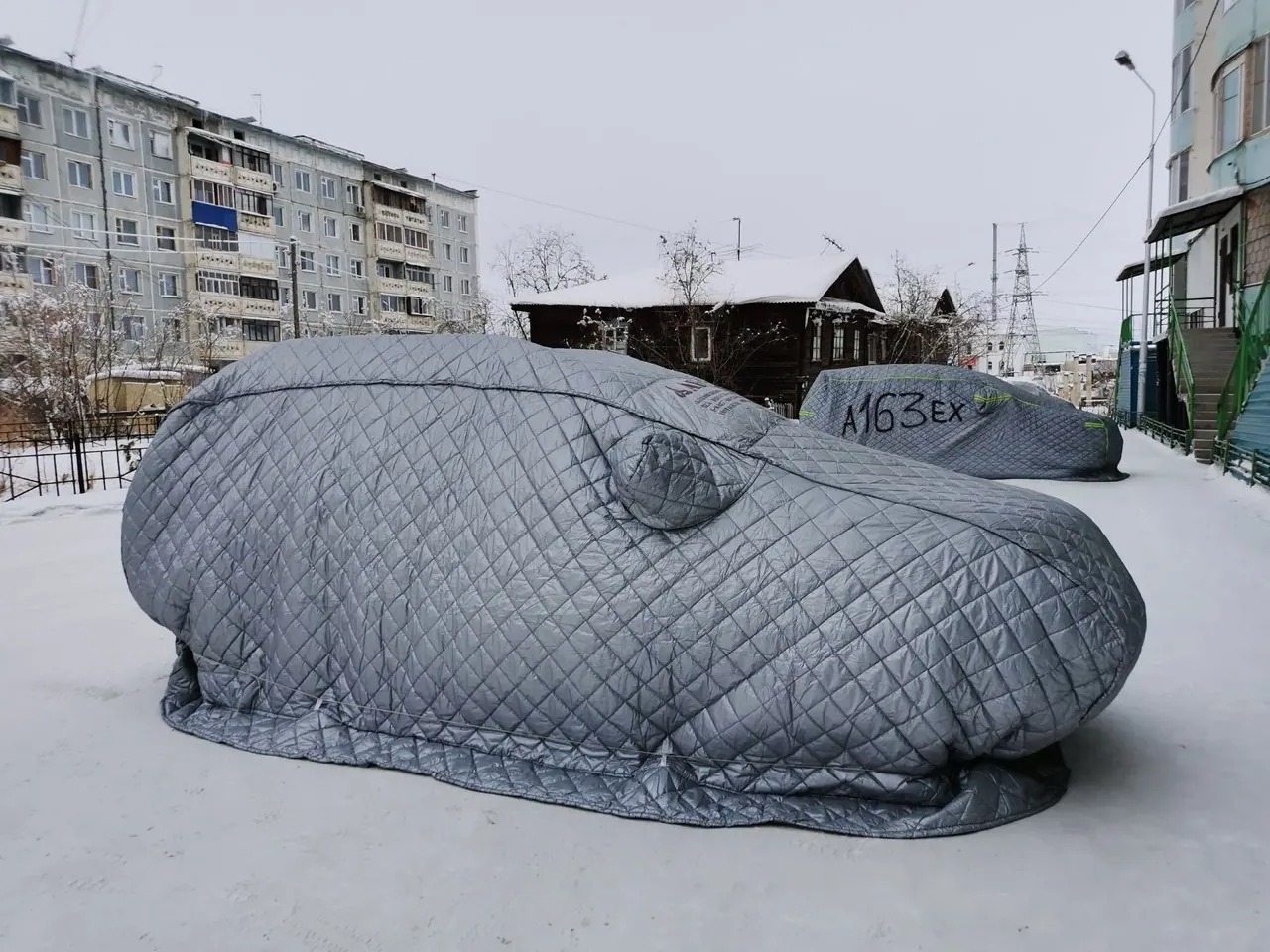
Indoor is better in a cold climate. If the car has to stay outside, CAA North & East Ontario suggests asphalt and a cover. See indoor vs outdoor and storing a car outside.
If you do not have a place yet, send a request and we will look for one. Starting prices are on the pricing page.
The fall checklist
In this order, so you do not undo your own work.
Wash it inside and out
Rinse off road salt, including underneath. CAA and Canadian Tire both suggest cleaning the interior too, and wax if you like. Remove food and wrappers.
Inflate the tires
CAA and Canadian Tire both advise checking pressure before storage. A tire that sits for months can develop a flat spot, so start with the pressure correct.
Fill the tank
A full tank leaves less room for moisture. For storage longer than about a month, CAA, CAA-Québec and Canadian Tire suggest a fuel stabilizer.
Change the oil and filter
CAA North & East Ontario, CAA-Québec and Canadian Tire all suggest fresh oil before long storage. Used oil holds acids and moisture.
Look after the battery
CAA suggests a battery tender. CAA-Québec suggests disconnecting or removing the battery and charging it once or twice over the winter. Canadian Tire also mentions starting and driving the car about once a week, which only works if you will really do it.
Leave the parking brake off
CAA and Canadian Tire suggest wheel chocks instead. Brake pads can stick to the rotors over months.
Keep rodents out
CAA and Canadian Tire suggest blocking the exhaust pipe and air intakes and using repellents. Write down every plug you fit so you remove each one in spring.
Wipers and cover
CAA suggests lifting the wipers off the glass and covering the car. Use a breathable cover, not plastic sheeting.
Check antifreeze and other fluids
CAA-Québec says to check the antifreeze. CAA says to check the other fluids.
Put cardboard under the car
Canadian Tire suggests it so you can see any leak.
Call your insurer
Tell your insurer the car is going into storage. In Quebec, tell the SAAQ first. See insurance while in storage.
Spring wake-up
Do these before the first drive.
Remove every plug and cover
Exhaust, air intakes, anything you fitted against rodents.
Look for signs of rodents
Check the engine bay, the air filter box and under the seats.
Check fluids and tire pressure
Top up what is low and set the pressure.
Test the lights and reconnect the battery
If you disconnected it, reconnect it and check that everything works.
Expect a squeak
CAA notes that brakes can squeak at first from a light layer of rust on the rotors. It usually clears after a few stops. If it does not, have them checked.
Help with the work
- Storage preparation Wash, battery tender and other prep before the car goes in.
- Spring prep A check-over when you collect the car.
- Pickup and delivery A flatbed to and from the storage place.
Tell us about your car. We find the spot.
Storage type, car, city and how long. We check what is open near you and reply by email with options and prices.